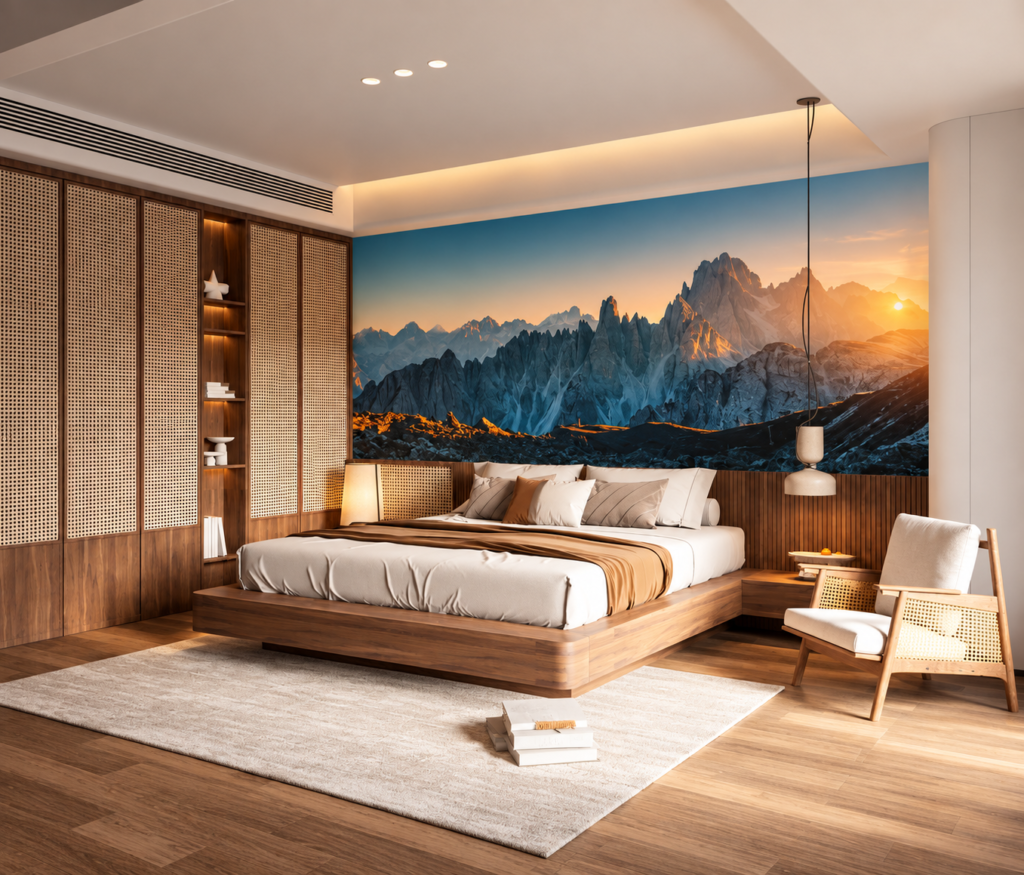
Modern Interior Design Guide for Homes
Interior design is more than decoration—it is the art of creating spaces that are functional, comfortable, and visually appealing. A well-designed interior enhances daily living by combining aesthetics with practicality. From selecting premium materials to choosing the right flooring, lighting, kitchens, and wardrobes, every decision plays a crucial role in shaping the overall experience of a space.
In today’s design landscape, interiors are not just about trends—they are about long-term value, durability, and personalization. This blog explores the key elements that define modern interior design and how you can make the right choices for a refined and well-balanced space.
Importance of Premium Materials in Interiors
One of the most important aspects of interior design is the use of premium materials. The quality of materials directly impacts the durability, appearance, and maintenance of a space. While budget-friendly options may seem attractive initially, they often lead to higher maintenance costs and quicker wear and tear.
Premium materials offer:
- Better durability and longevity
- Superior finish and aesthetics
- Resistance to moisture, stains, and damage
- Higher overall property value
For example, using high-quality laminates, veneers, natural stone, or engineered wood ensures that surfaces maintain their look over time. Similarly, branded fittings and hardware improve both functionality and reliability.
Choosing premium materials does not necessarily mean selecting the most expensive options—it means selecting the right materials that balance quality, performance, and design.
Choosing the Right Flooring
Flooring is one of the most noticeable elements in any interior space. It sets the tone for the overall design and affects comfort, maintenance, and durability. Selecting the right flooring depends on the purpose of the space, lifestyle, and aesthetic preference.
Popular flooring options include:
- Tiles (Vitrified/Ceramic): Durable, low maintenance, and suitable for most areas
- Marble/Granite: Premium look with high durability
- Wooden Flooring: Warm and elegant, ideal for bedrooms and living spaces
- Vinyl Flooring: Cost-effective and versatile
- Concrete Flooring: Modern, minimal, and industrial look
Each type of flooring has its advantages and limitations. For example, marble offers a luxurious finish but requires maintenance, while tiles are more practical and easy to maintain.
Proper installation is equally important. Poor workmanship can lead to uneven surfaces, gaps, and long-term damage. Therefore, both material selection and execution are crucial for achieving the desired result.
Role of Lighting in Interior Design
Lighting is one of the most powerful tools in interior design. It not only illuminates a space but also enhances mood, highlights features, and improves functionality. A well-planned lighting design can completely transform the look and feel of an interior.
Lighting can be divided into three main types:
- Ambient Lighting: General lighting for overall visibility
- Task Lighting: Focused lighting for specific activities like cooking or reading
- Accent Lighting: Decorative lighting to highlight design elements
Modern interiors often use layered lighting to create depth and flexibility. For example, combining ceiling lights with wall lights and LED strips can create a dynamic and visually appealing environment.
Natural lighting is equally important. Maximizing daylight reduces energy consumption and creates a healthier living environment. Proper placement of windows, curtains, and reflective surfaces can enhance natural light within the space.
Ignoring lighting design can make even the best interiors look dull. On the other hand, thoughtful lighting elevates the entire design.
Designing Functional and Modern Kitchens
Kitchens are one of the most important spaces in any home. A well-designed kitchen is not just about looks—it is about efficiency, organization, and ease of use. Modern kitchens focus on smart layouts, high-quality materials, and practical storage solutions.
Common kitchen layouts include:
- L-shaped
- U-shaped
- Parallel kitchen
- Island kitchen
The choice of layout depends on available space and user requirements. A good kitchen design ensures proper work triangle (sink, stove, refrigerator), allowing smooth movement and workflow.
Key considerations for kitchens:
- Durable countertops (granite, quartz)
- Moisture-resistant cabinets
- Adequate storage and organization
- Proper ventilation and lighting
Premium finishes like acrylic, PU, or laminate enhance the visual appeal while maintaining durability. Additionally, integrating modern appliances and fittings improves convenience and efficiency.
A well-planned kitchen not only enhances functionality but also adds significant value to the home.
Wardrobes: Combining Storage and Style
Wardrobes play a crucial role in maintaining an organized and clutter-free space. A well-designed wardrobe should offer maximum storage while complementing the overall interior design.
Modern wardrobes are customized based on user needs and available space. They can include:
- Sliding or hinged doors
- Modular storage systems
- Internal compartments for different items
- Integrated lighting
Materials used in wardrobes should be durable and resistant to moisture and wear. Premium laminates, veneers, and finishes ensure longevity and aesthetic appeal.
Internal organization is equally important. Proper division for clothes, accessories, and valuables improves usability and efficiency. Features like soft-close mechanisms and smart storage solutions enhance the overall experience.
A thoughtfully designed wardrobe not only improves functionality but also contributes to a clean and sophisticated interior.
Balancing Design and Functionality
A successful interior design is one that balances aesthetics with functionality. While visual appeal is important, the space must also be practical and comfortable for everyday use.
Key principles to follow:
- Plan according to lifestyle and needs
- Avoid overdesigning or clutter
- Maintain consistency in materials and colors
- Focus on quality over quantity
Integrating premium materials, well-chosen flooring, effective lighting, efficient kitchens, and smart wardrobes ensures a cohesive and well-designed space.
Common Interior Design Mistakes to Avoid
Even with the best intentions, certain mistakes can affect the overall outcome of interior design:
- Choosing materials based only on price
- Ignoring lighting design
- Overcrowding spaces with furniture
- Poor space planning
- Lack of storage solutions
Avoiding these mistakes is essential for achieving a functional and visually appealing interior.
Conclusion
Interior design is a combination of creativity, planning, and technical understanding. From selecting premium materials to designing flooring, lighting, kitchens, and wardrobes, every element contributes to the overall success of a space.
A well-designed interior enhances comfort, improves functionality, and adds long-term value. By focusing on quality, thoughtful planning, and balanced design, you can create spaces that are not only beautiful but also practical and enduring.
Whether you are designing a new home or upgrading an existing one, investing in the right interior design approach will ensure a space that reflects your lifestyle and stands the test of time.