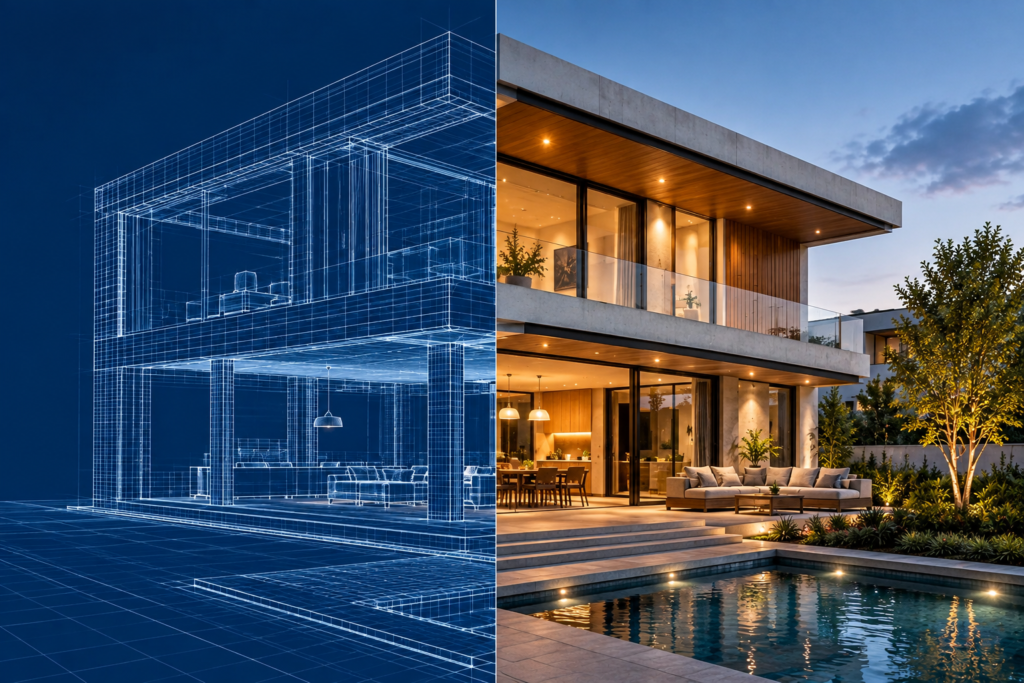
Hospitality Design Strategies for Memorable Experiences
The hospitality industry thrives on experiences. Whether it is a luxury resort, a boutique hotel, or a vibrant restaurant, the success of any hospitality space depends on how well it is planned and designed. Beyond aesthetics, hospitality design focuses on comfort, functionality, guest experience, and operational efficiency.
From resort planning to hotel design and restaurant planning, every detail contributes to how guests perceive and interact with a space. In this blog, we will explore the key principles that define successful hospitality projects and how thoughtful design can elevate both guest satisfaction and business performance.
Importance of Resort Planning
Resort planning is a comprehensive process that goes far beyond designing buildings. It involves creating an environment that offers relaxation, recreation, and a memorable experience. Unlike urban buildings, resorts must integrate architecture with natural surroundings, making site planning a critical aspect.
A well-planned resort considers:
- Site topography and natural features
- Climate and orientation
- Accessibility and circulation
- Privacy and zoning of spaces
One of the key aspects of resort planning is zoning. Public areas such as reception, dining, and recreational facilities must be easily accessible, while private zones like villas and rooms should offer peace and exclusivity. Proper zoning ensures a balance between activity and relaxation.
Another important factor is landscape integration. Resorts often rely on natural elements like greenery, water bodies, and open spaces to create a calming atmosphere. Thoughtful landscaping enhances the visual appeal and improves the overall guest experience.
Sustainability is also becoming a major focus in resort planning. Using eco-friendly materials, optimizing natural light, and incorporating energy-efficient systems not only reduce operational costs but also attract environmentally conscious guests.
In essence, resort planning is about creating a seamless blend of nature, comfort, and functionality.
Key Elements of Effective Hotel Design
Hotel design plays a crucial role in defining the identity and success of a hospitality brand. A well-designed hotel not only attracts guests but also ensures their comfort and satisfaction throughout their stay.
The first impression of any hotel begins with its entrance and lobby. This space sets the tone for the entire experience and should reflect the brand’s personality. A well-designed lobby combines aesthetics with functionality, offering a welcoming and efficient check-in experience.
Guest rooms are the core of hotel design. They must be comfortable, functional, and visually appealing. Important considerations include:
- Space planning and layout
- Furniture design and placement
- Lighting and ambiance
- Acoustic comfort
Modern hotel design focuses on creating a balance between luxury and practicality. Smart storage solutions, ergonomic furniture, and integrated technology enhance the guest experience while maintaining efficiency.
Another important aspect is circulation and movement. Guests and staff should be able to navigate the space easily without confusion. Clear pathways, proper signage, and efficient service areas improve both user experience and operational workflow.
Hotel design also includes back-end planning, such as service corridors, housekeeping areas, and utility spaces. These elements may not be visible to guests but are essential for smooth operations.
A successful hotel design ensures that every space—from the lobby to the rooms—works together to create a cohesive and enjoyable experience.
Restaurant Planning for Functionality and Experience
Restaurant planning is a critical component of hospitality design, as it directly impacts both customer experience and operational efficiency. A well-planned restaurant not only looks appealing but also functions smoothly.
One of the key aspects of restaurant planning is layout design. The space must be organized to ensure smooth movement of both customers and staff. This includes:
- Seating arrangement
- Kitchen placement
- Service areas
- Entry and exit points
The relationship between the kitchen and dining area is especially important. Efficient kitchen planning ensures quick service and better workflow, while a well-designed dining area enhances customer comfort.
Ambiance plays a significant role in restaurant design. Lighting, color schemes, materials, and furniture all contribute to the overall atmosphere. For example, warm lighting and natural materials create a cozy environment, while modern finishes and bright lighting give a contemporary feel.
Acoustics is another important factor often overlooked in restaurant planning. Proper acoustic design ensures that noise levels are controlled, allowing guests to enjoy their dining experience.
Flexibility is also essential. Restaurants may need to accommodate different group sizes, events, or changing trends. Modular furniture and adaptable layouts help in achieving this flexibility.
A well-designed restaurant creates a perfect balance between aesthetics, comfort, and efficiency.
Integrating Design and Operations
One of the biggest challenges in hospitality projects is integrating design with operational requirements. While aesthetics are important, the space must also support smooth day-to-day operations.
For example:
- In resorts, pathways and service routes must be planned to avoid disturbance to guests
- In hotels, housekeeping and maintenance areas must be easily accessible
- In restaurants, kitchen workflow must be optimized for speed and efficiency
Collaboration between designers, engineers, and operators is essential to achieve this balance. When design decisions are aligned with operational needs, it results in a more efficient and successful project.
Enhancing Guest Experience Through Design
The ultimate goal of hospitality design is to enhance the guest experience. Every element—from resort planning to hotel design and restaurant planning—should contribute to comfort, convenience, and satisfaction.
Key factors that influence guest experience include:
- Comfort and usability of spaces
- Visual appeal and ambiance
- Ease of navigation
- Quality of materials and finishes
Personalization is also becoming increasingly important. Guests today expect unique and memorable experiences. Thoughtful design elements, such as themed interiors or customized spaces, can create a lasting impression.
Technology is another factor shaping modern hospitality design. Smart rooms, automated systems, and digital interfaces improve convenience and efficiency, enhancing the overall experience.
Common Mistakes in Hospitality Projects
Despite the importance of planning and design, many hospitality projects face issues due to common mistakes:
1. Poor Space Planning
Inefficient layouts lead to operational challenges and reduced guest comfort.
2. Ignoring Guest Experience
Focusing only on aesthetics without considering usability affects satisfaction.
3. Lack of Coordination
Poor communication between designers and operators leads to design conflicts.
4. Overdesigning Spaces
Excessive design elements can increase costs without adding value.
5. Neglecting Maintenance
Using materials that are difficult to maintain affects long-term performance.
Avoiding these mistakes is essential for creating successful hospitality spaces.
Future Trends in Hospitality Design
The hospitality industry is constantly evolving, and design trends are changing accordingly. Some of the emerging trends include:
- Sustainable and eco-friendly design
- Integration of smart technology
- Focus on wellness and comfort
- Flexible and multi-functional spaces
These trends highlight the importance of innovation and adaptability in hospitality design.
Conclusion
Hospitality design is a complex and dynamic field that requires a careful balance of aesthetics, functionality, and user experience. From resort planning to hotel design and restaurant planning, every aspect plays a crucial role in shaping the success of a project.
A well-planned hospitality space not only attracts guests but also ensures their satisfaction and loyalty. By focusing on thoughtful design, efficient planning, and seamless integration of operations, you can create spaces that deliver memorable experiences and long-term value.
Whether you are developing a resort, designing a hotel, or planning a restaurant, investing in the right approach will ensure a successful and sustainable hospitality project.