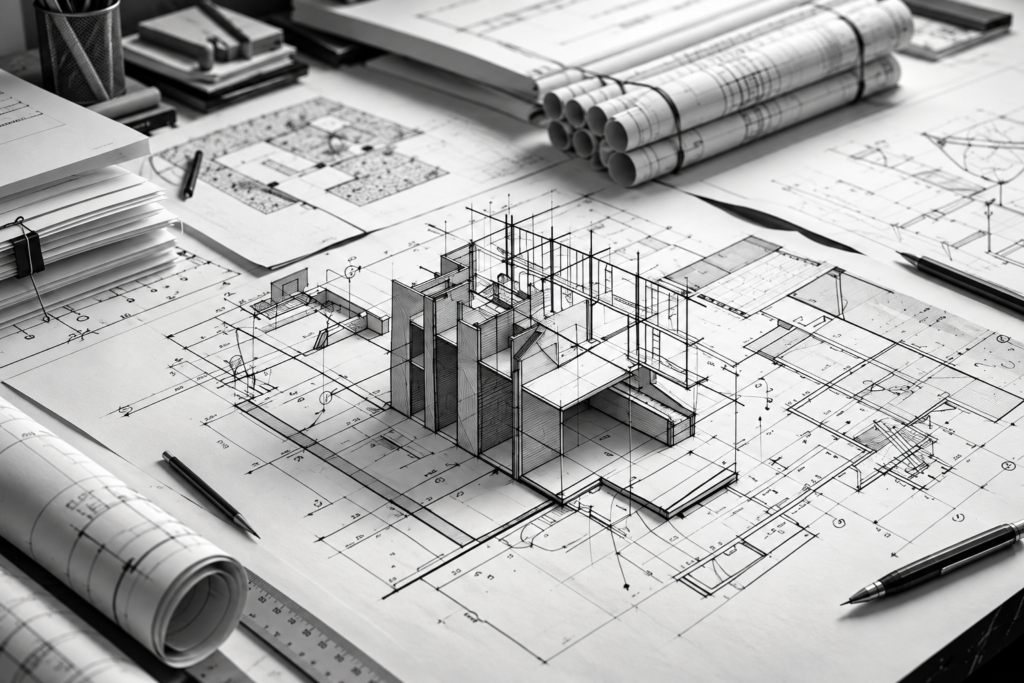
Smart Investment Planning for Construction Projects
Investing in construction is not just about building a structure—it is about making informed financial decisions that deliver long-term value. Whether you are planning a residential home, commercial building, or interior project, understanding key factors like construction cost, design fees, value engineering, and project budgeting is essential for a successful investment.
Many projects fail financially not because of lack of funds, but due to poor planning and mismanagement. A smart investment approach ensures that every rupee spent contributes to quality, functionality, and future returns. In this blog, we will explore how to manage your construction investment effectively while maximizing value and minimizing unnecessary expenses.
Understanding Construction Cost in Detail
Construction cost is one of the most critical aspects of any building project. It includes all expenses related to materials, labor, equipment, and execution. However, many people underestimate the actual cost due to lack of clarity or incomplete planning.
Construction cost typically includes:
- Material costs (cement, steel, bricks, finishes)
- Labor charges
- Equipment and machinery
- Site development and foundation work
- Finishing and interior works
One of the biggest mistakes investors make is focusing only on per square foot cost. While this gives a rough estimate, it does not account for design complexity, site conditions, or quality of materials.
For example, a project using premium materials will naturally have a higher construction cost, but it will also offer better durability and long-term savings. Similarly, complex designs may increase costs but improve functionality and aesthetics.
To manage construction cost effectively:
- Prepare a detailed BOQ (Bill of Quantities)
- Avoid last-minute changes
- Choose materials wisely based on performance, not just price
- Monitor expenses regularly
Understanding construction cost in detail helps you plan better and avoid unexpected financial stress.
Role of Design Fees in Overall Investment
Design fees are often seen as an additional expense, but in reality, they are an investment that can save significant costs in the long run. Professional design services include architecture, structural engineering, interior design, and MEP planning.
Many people try to reduce design fees by skipping professional consultants or hiring inexperienced designers. This often leads to planning errors, inefficient layouts, and costly modifications during construction.
Design fees typically cover:
- Concept development
- Layout planning
- Detailed drawings
- Structural and technical design
- Coordination between different disciplines
A well-designed project ensures:
- Optimal space utilization
- Efficient material usage
- Reduced wastage
- Better construction quality
In fact, investing in proper design can significantly reduce construction cost through better planning and coordination. Therefore, design fees should not be viewed as an expense but as a value-adding component of the project.
Value Engineering: Maximizing Efficiency
Value engineering is one of the most effective strategies for optimizing construction investment. It involves analyzing different design and material options to achieve the best possible outcome at the lowest cost without compromising quality.
The goal of value engineering is not to cut costs blindly but to improve efficiency and eliminate unnecessary expenses. For example:
- Choosing alternative materials with similar performance
- Simplifying structural systems
- Optimizing design to reduce material usage
- Improving construction methods
Value engineering requires collaboration between architects, engineers, and contractors. It should ideally be implemented during the design stage, where changes can be made without affecting the project timeline or budget.
Benefits of value engineering include:
- Reduced construction cost
- Improved functionality
- Better resource utilization
- Enhanced project performance
When done correctly, value engineering ensures that every decision adds value to the project.
Importance of Project Budgeting
Project budgeting is the process of planning and controlling financial resources throughout the construction lifecycle. A well-defined project budget ensures that the project stays on track without financial overruns.
Budgeting involves:
- Estimating total project cost
- Allocating funds to different components
- Monitoring expenses
- Managing cash flow
One of the most common issues in construction projects is budget overruns. This usually happens due to:
- Incomplete planning
- Design changes during construction
- Poor cost control
- Unexpected site conditions
To avoid these issues, it is important to:
- Create a realistic budget with contingency
- Track expenses regularly
- Maintain proper documentation
- Avoid unnecessary changes
A strong project budgeting strategy ensures financial stability and smooth execution of the project.
Balancing Cost and Quality
One of the biggest challenges in construction investment is balancing cost and quality. Cutting costs in the wrong areas can lead to poor construction quality, higher maintenance costs, and reduced lifespan of the building.
Key areas where quality should never be compromised:
- Structural design and materials (concrete, steel)
- Waterproofing and foundation work
- Electrical and plumbing systems
At the same time, cost optimization can be achieved through:
- Value engineering
- Efficient design
- Smart material selection
- Proper planning and execution
The goal is to achieve the best possible quality within the available budget.
Common Investment Mistakes to Avoid
Even experienced investors make mistakes that affect project outcomes. Some common mistakes include:
1. Underestimating Construction Cost
Relying on rough estimates leads to budget shortfalls and compromises.
2. Ignoring Design Fees
Skipping professional design services results in planning errors and higher costs later.
3. No Value Engineering
Not optimizing design and materials leads to unnecessary expenses.
4. Poor Budgeting
Lack of financial planning causes delays and cost overruns.
5. Frequent Changes During Construction
Changes after construction begins are expensive and disrupt workflow.
Avoiding these mistakes is essential for a successful investment.
How to Make Smart Construction Investments
To ensure a successful construction investment, follow these key steps:
- Plan thoroughly before starting
- Hire experienced professionals
- Focus on quality and efficiency
- Implement value engineering early
- Maintain strict budget control
A structured approach helps in minimizing risks and maximizing returns.
Conclusion
Construction is not just an expense—it is a long-term investment that requires careful planning and smart decision-making. Understanding construction cost, allocating proper design fees, implementing value engineering, and maintaining effective project budgeting are all essential for achieving a successful outcome.
By focusing on these key aspects, you can ensure that your project is not only cost-effective but also high in quality and performance. A well-planned investment leads to a structure that delivers value for years to come.
Whether you are building a home or a commercial project, taking the right approach from the beginning will make all the difference.