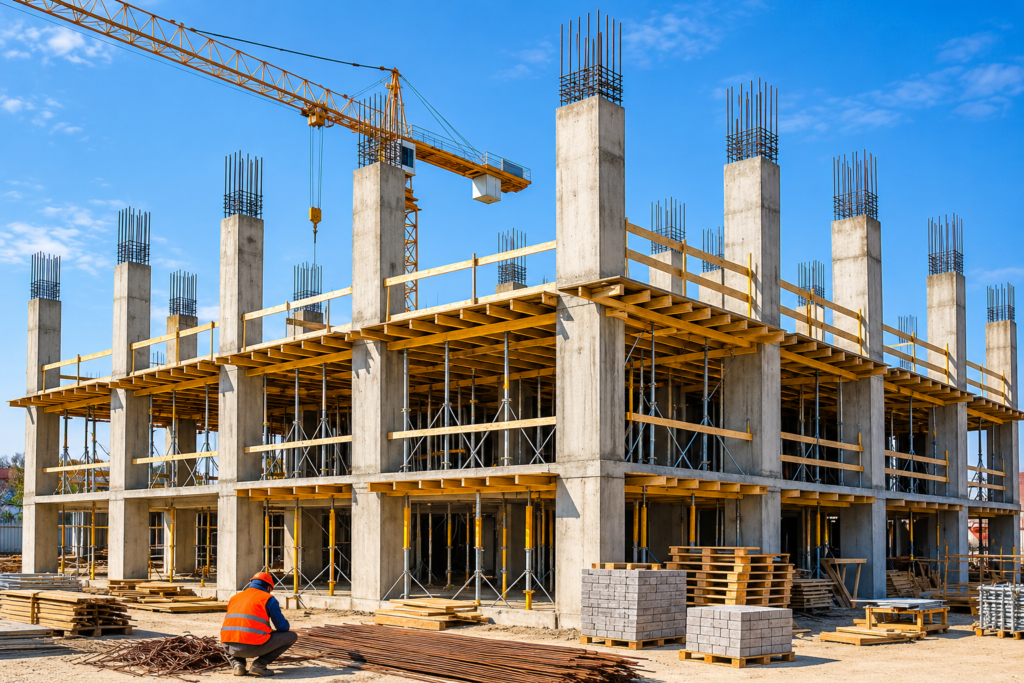
Structural Design Guide for Safe Buildings
Structural engineering is the backbone of every successful building. While architecture defines how a structure looks and functions, structural design ensures that it stands strong, safe, and durable over time. Many building failures are not due to poor materials but due to weak structural planning, incorrect calculations, or avoidable execution errors.
In this blog, we will explore why structural design is important, compare RCC vs steel structures, understand seismic design, and highlight common column/beam mistakes that must be avoided for a safe and efficient building.
Why Structural Design Is Important
Understanding why structural design matters is the first step toward building a safe structure. Structural design is not just about adding columns and beams—it is about calculating loads, ensuring stability, and designing a system that can withstand environmental forces.
Every building is subjected to different types of loads such as dead load (weight of structure), live load (people, furniture), wind load, and seismic forces. A proper structural design ensures that all these forces are safely transferred to the foundation without causing stress or failure.
One of the biggest reasons projects face issues is ignoring structural design during the planning stage. Many people start construction without proper structural drawings, relying only on contractors. This leads to uneven load distribution, cracks, and long-term structural weakness.
A well-planned structural design improves:
- Safety and durability
- Cost efficiency (avoids overdesign and wastage)
- Long-term performance
- Resistance to environmental conditions
In short, structural design is not an optional step—it is the foundation of a successful project.
RCC vs Steel: Which Structure Is Better?
The debate between RCC vs Steel is one of the most common discussions in structural engineering. Both materials have their advantages, and the right choice depends on the project type, budget, and design requirements.
RCC (Reinforced Cement Concrete)
RCC is widely used in residential and small commercial buildings. It is strong in compression and provides excellent durability.
Advantages:
- Cost-effective for small to medium projects
- High durability and fire resistance
- Easily available materials
- Low maintenance
Limitations:
- Heavier structure
- Longer construction time
- Less flexibility in design changes
Steel Structure
Steel structures are commonly used in large commercial, industrial, and high-rise buildings due to their strength and flexibility.
Advantages:
- High strength-to-weight ratio
- Faster construction
- Flexible and adaptable design
- Ideal for large spans
Limitations:
- Higher initial cost
- Requires corrosion protection
- Needs skilled labor
Which One Should You Choose?
- For residential buildings → RCC is usually preferred
- For commercial/industrial projects → Steel is often more efficient
- For hybrid structures → Combination of both can be used
Choosing between RCC vs steel should always be based on structural requirements, not just cost.
Importance of Seismic Design
Seismic design is a critical aspect of structural engineering, especially in earthquake-prone regions like many parts of India. Ignoring seismic design can lead to catastrophic failures during earthquakes.
Seismic design ensures that a building can:
- Absorb and dissipate earthquake energy
- Prevent sudden collapse
- Protect human life
Unlike regular loads, earthquake forces act dynamically and unpredictably. Therefore, buildings must be designed with flexibility and ductility so they can move without breaking.
Key principles of seismic design include:
- Proper load distribution
- Strong column-weak beam concept
- Use of shear walls
- Reinforcement detailing for ductility
Many structures fail during earthquakes not because of poor materials, but because seismic design principles were ignored. A structurally sound building should not only stand strong in normal conditions but also perform safely during extreme events.
Common Column/Beam Mistakes to Avoid
One of the most critical areas in structural engineering is the design and execution of columns and beams. Mistakes in these elements can lead to serious structural issues, including collapse.
1. Incorrect Column Placement
Columns must be aligned properly to transfer loads directly to the foundation. Misaligned columns create stress points and weaken the structure.
2. Undersized Columns
Reducing column size to save space or cost is a major mistake. Columns must be designed based on load calculations, not assumptions.
3. Poor Reinforcement Detailing
Improper placement of steel reinforcement in columns and beams reduces their strength and ductility. This is especially dangerous in seismic zones.
4. Weak Beam-Column Connection
The connection between beams and columns is crucial. Poor joints can fail under stress, leading to structural instability.
5. Ignoring Load Path
Every load must have a clear path to the foundation. Discontinuity in beams or columns disrupts this flow and creates risk.
6. Overloading Beams
Adding extra floors or heavy loads without redesigning beams can cause bending, cracks, and eventual failure.
Avoiding these column/beam mistakes is essential for ensuring structural safety and longevity.
Integrating Structural Design with Construction
A successful project requires coordination between architects, structural engineers, and contractors. Structural design should not be treated as a separate process but as an integral part of the overall project.
From selecting materials (RCC vs steel) to implementing seismic design and avoiding execution mistakes, every decision must be aligned with the structural plan. Regular site supervision and quality checks are also important to ensure that the design is properly implemented.
Conclusion
Structural engineering is the foundation of every safe and durable building. Understanding why structural design is important, choosing the right system in the RCC vs steel debate, implementing proper seismic design, and avoiding critical column/beam mistakes are all essential steps in building a reliable structure.
A well-designed structure not only ensures safety but also enhances efficiency, reduces maintenance costs, and increases the lifespan of the building. Whether you are constructing a home or a commercial space, investing in proper structural planning is the key to long-term success.